
Born Of Fire
In the South of Wales we find ourselves in a mainly controversial environmental desert, overgrazed with plantations that let little of no light in what so…
Across many landscapes, intensive land management has fundamentally altered the natural environment. Overgrazing suppresses natural regeneration, while dense commercial conifer plantations create heavily shaded forest floors where limited light reaches the ground. These pressures can reduce habitat diversity, restrict the growth of native vegetation and leave landscapes with little of the ecological complexity that would otherwise develop. It is within this context that Born of Fire began to take shape.
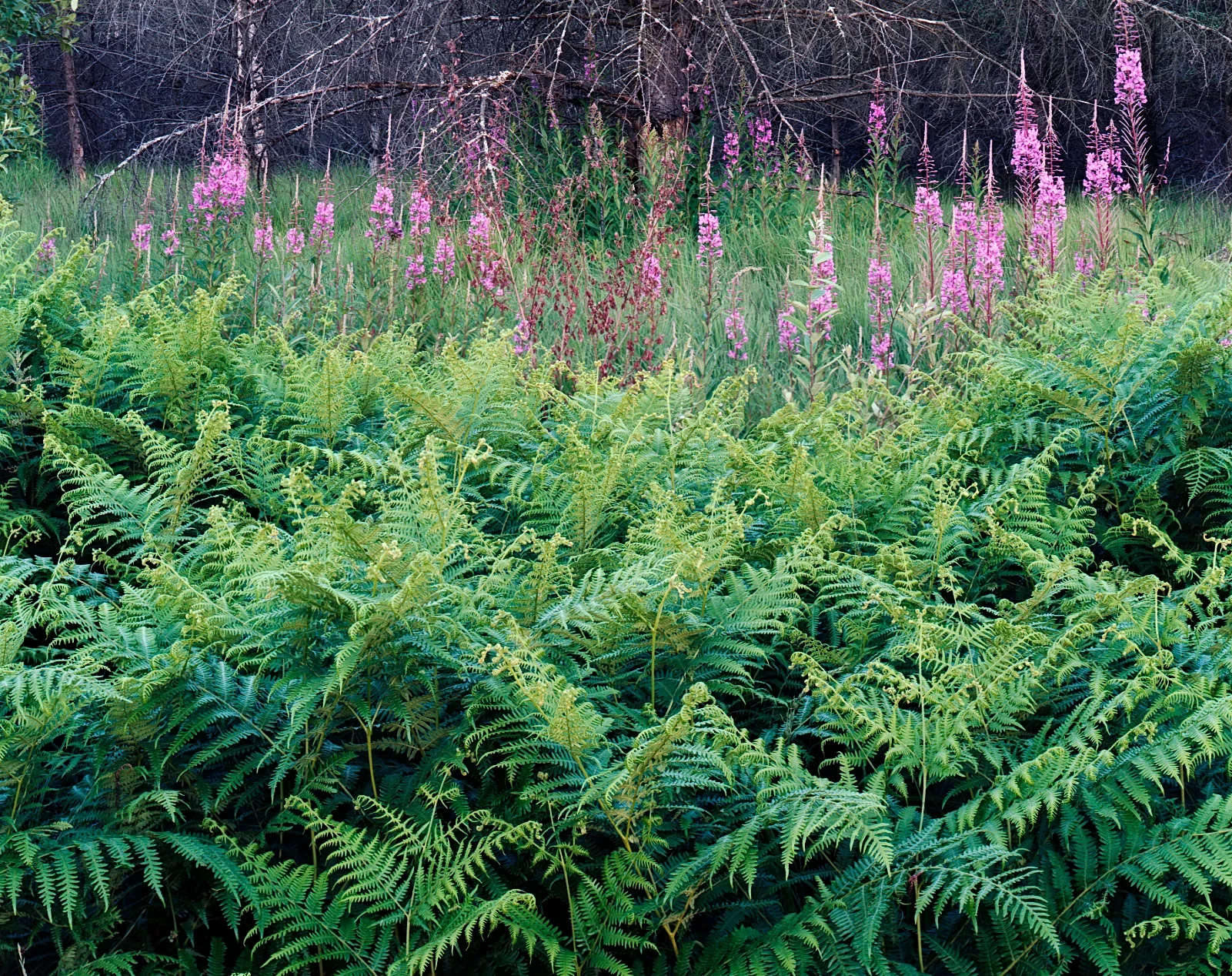
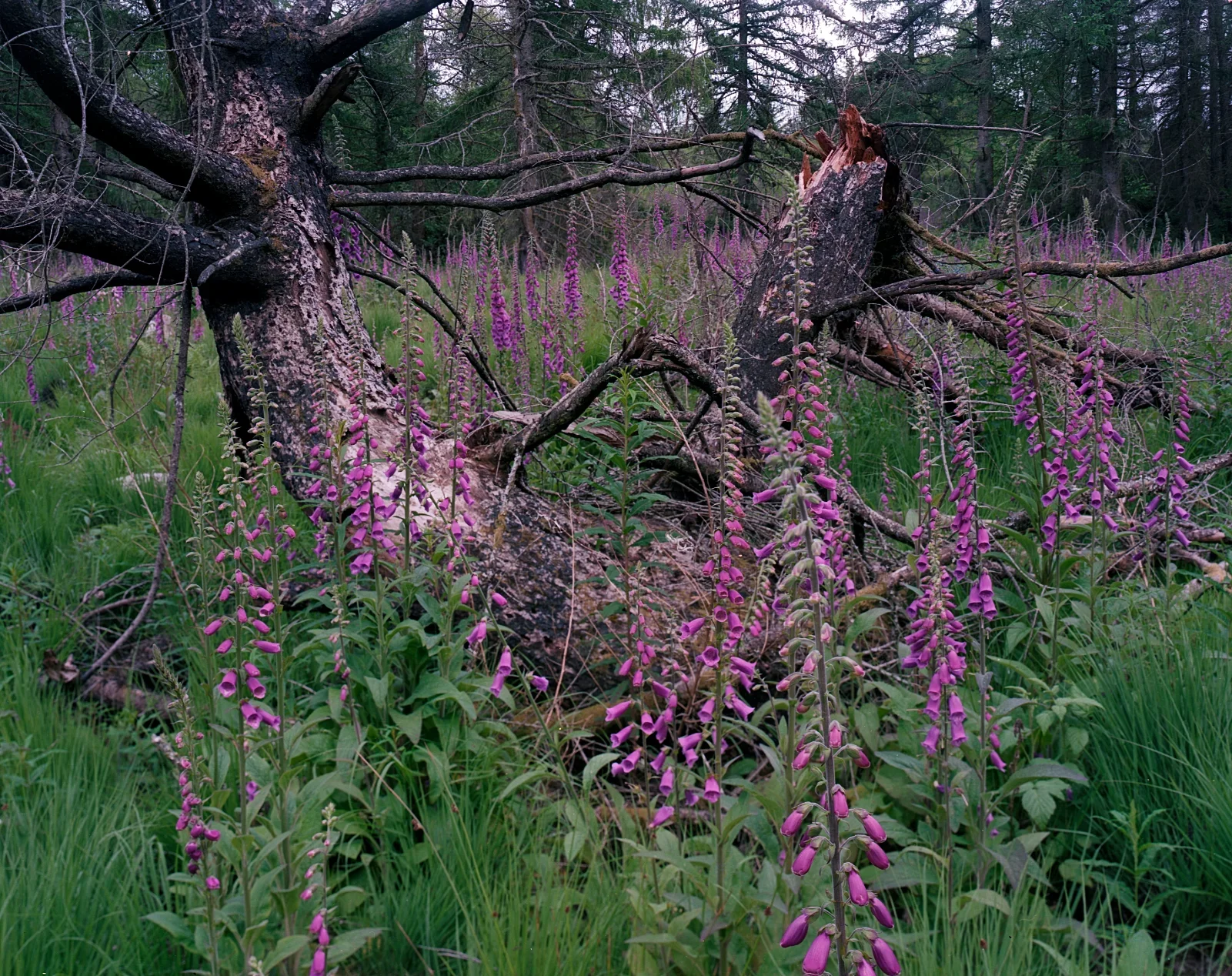
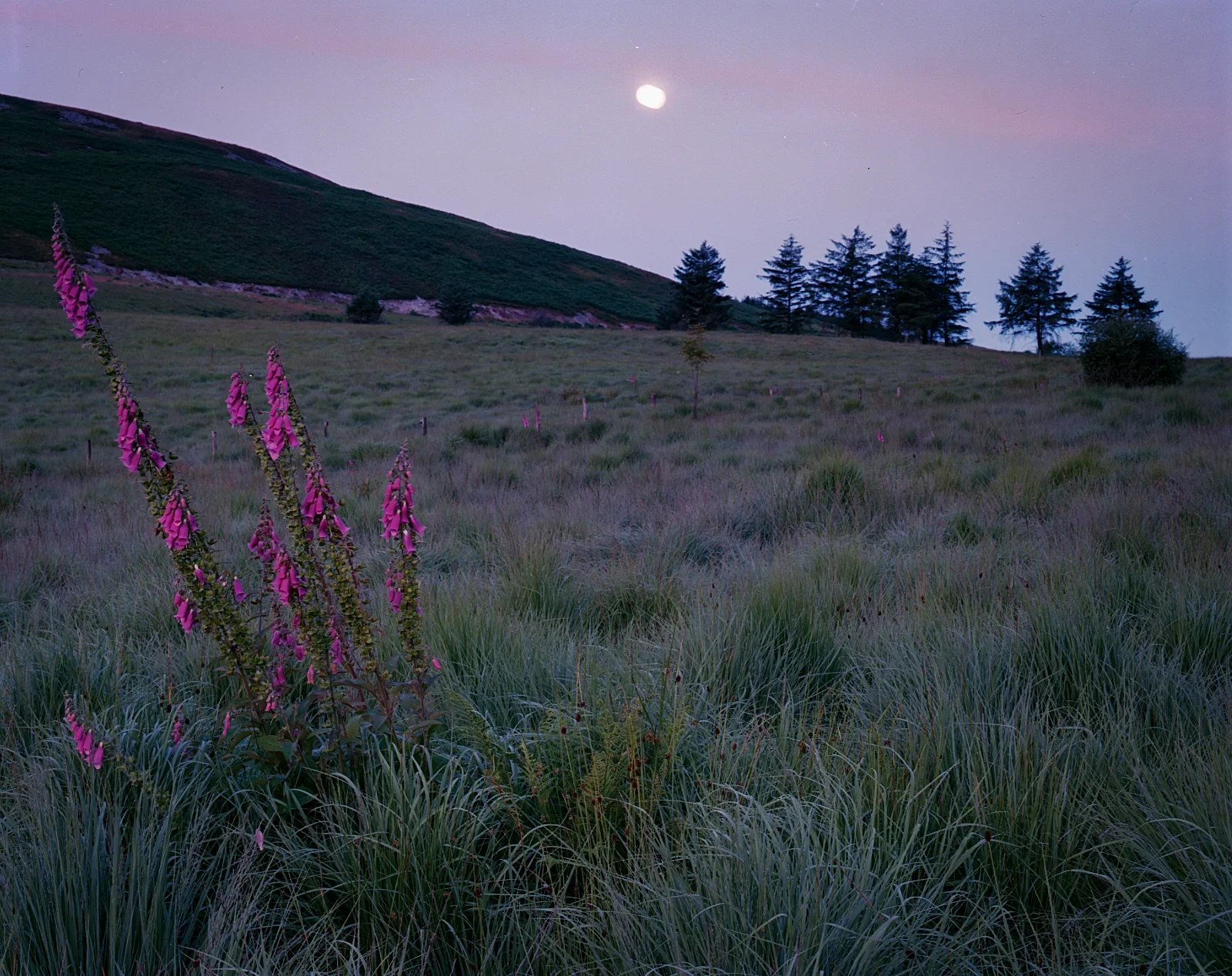
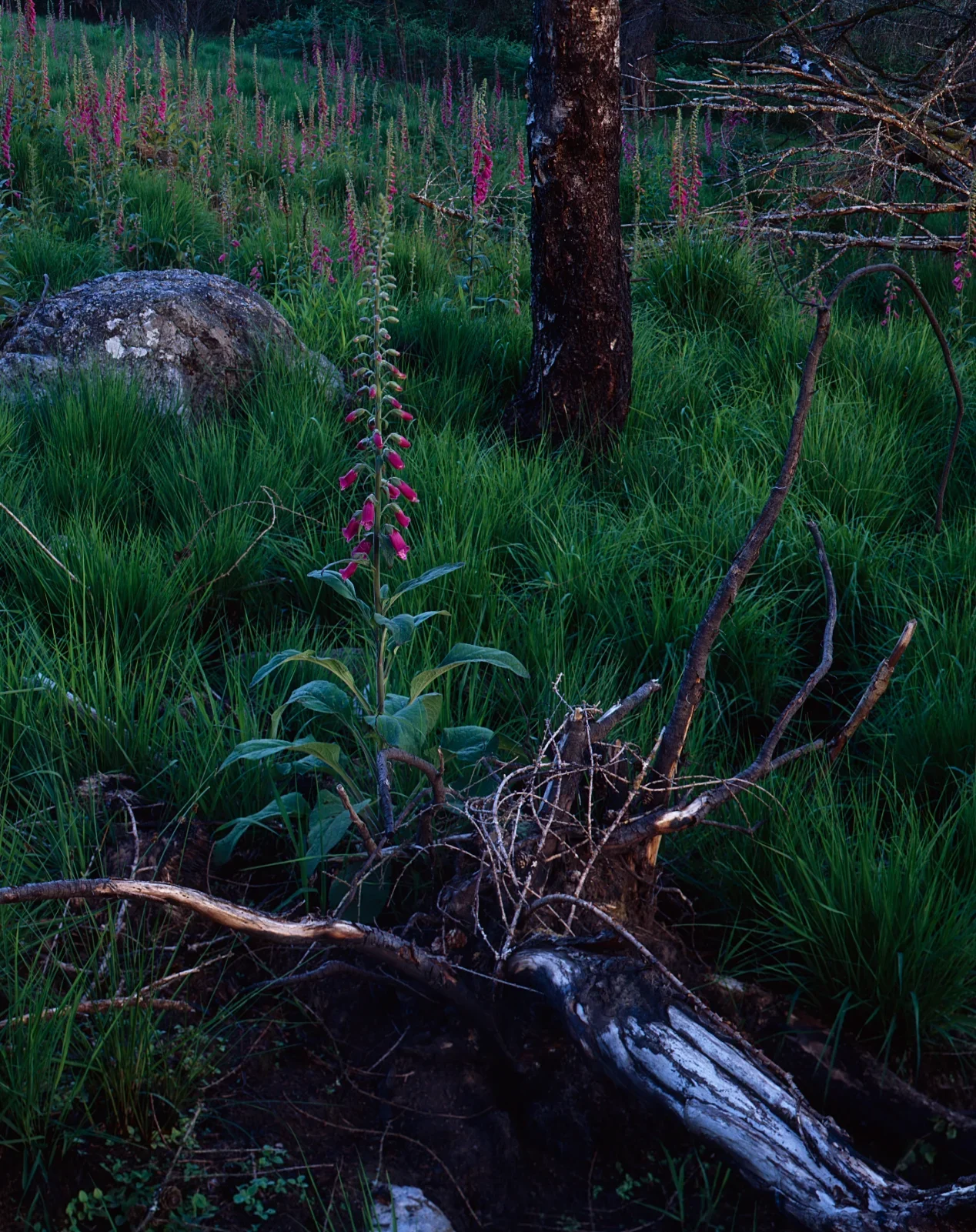
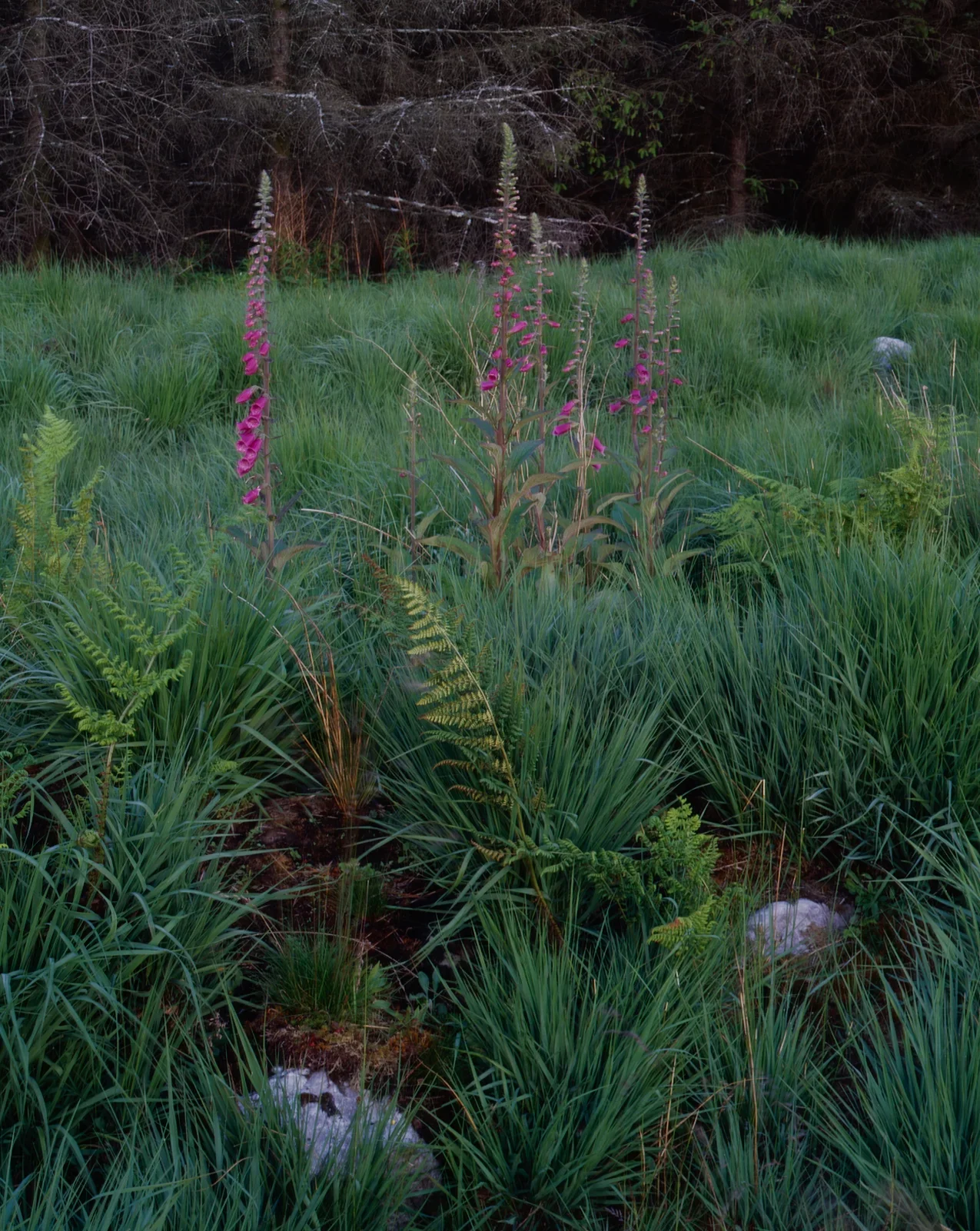
The work explores what happens when a landscape is subjected to severe fire and the process of recovery that follows. Fire is often viewed purely as a destructive force, yet its ecological impact is more complex. Depending on the habitat, the intensity of the burn and the condition of the soil, fire can create opportunities for certain plants to regenerate and for new growth to emerge. The blackened earth and scorched vegetation become the starting point for a visible, and often remarkable, transformation.
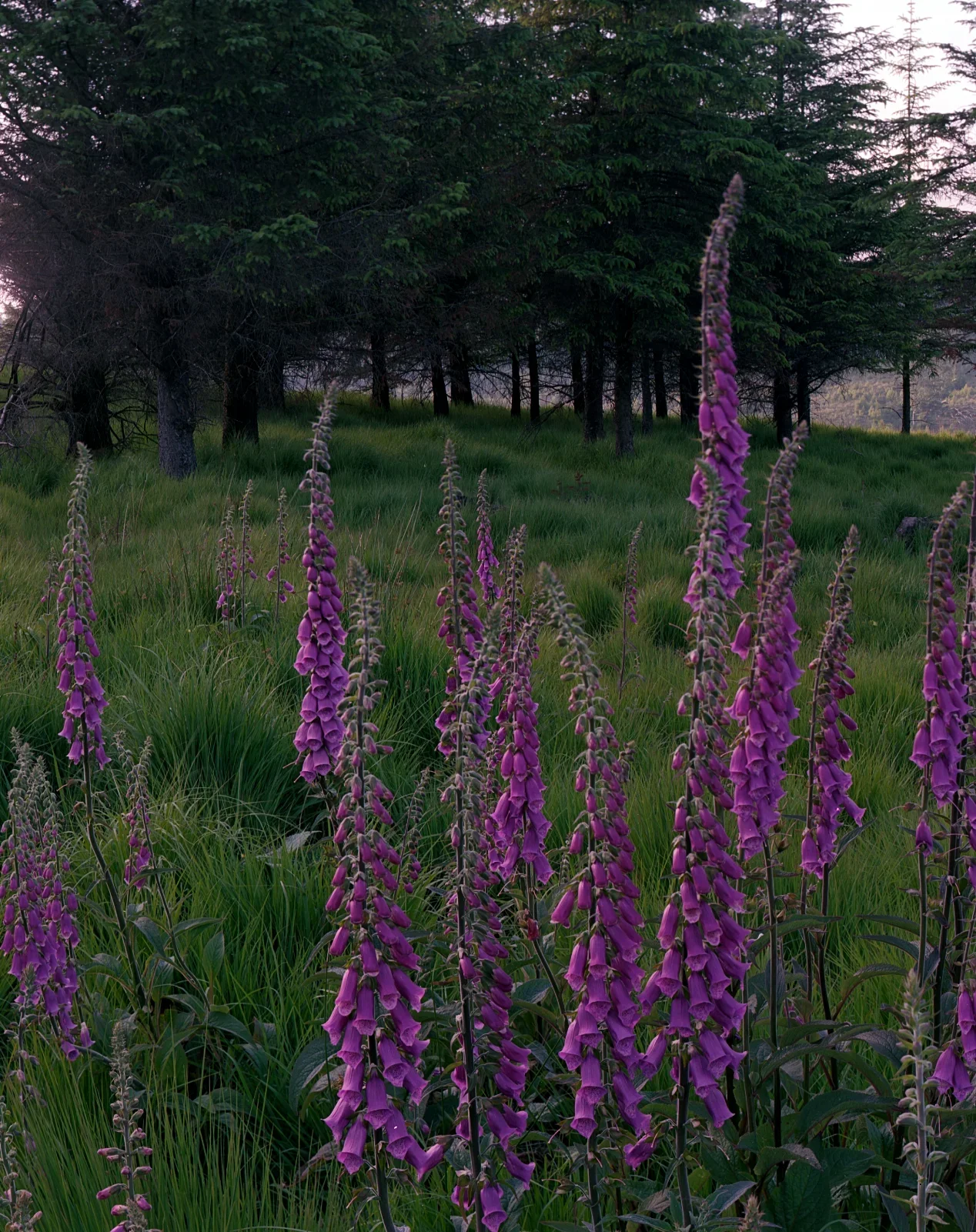
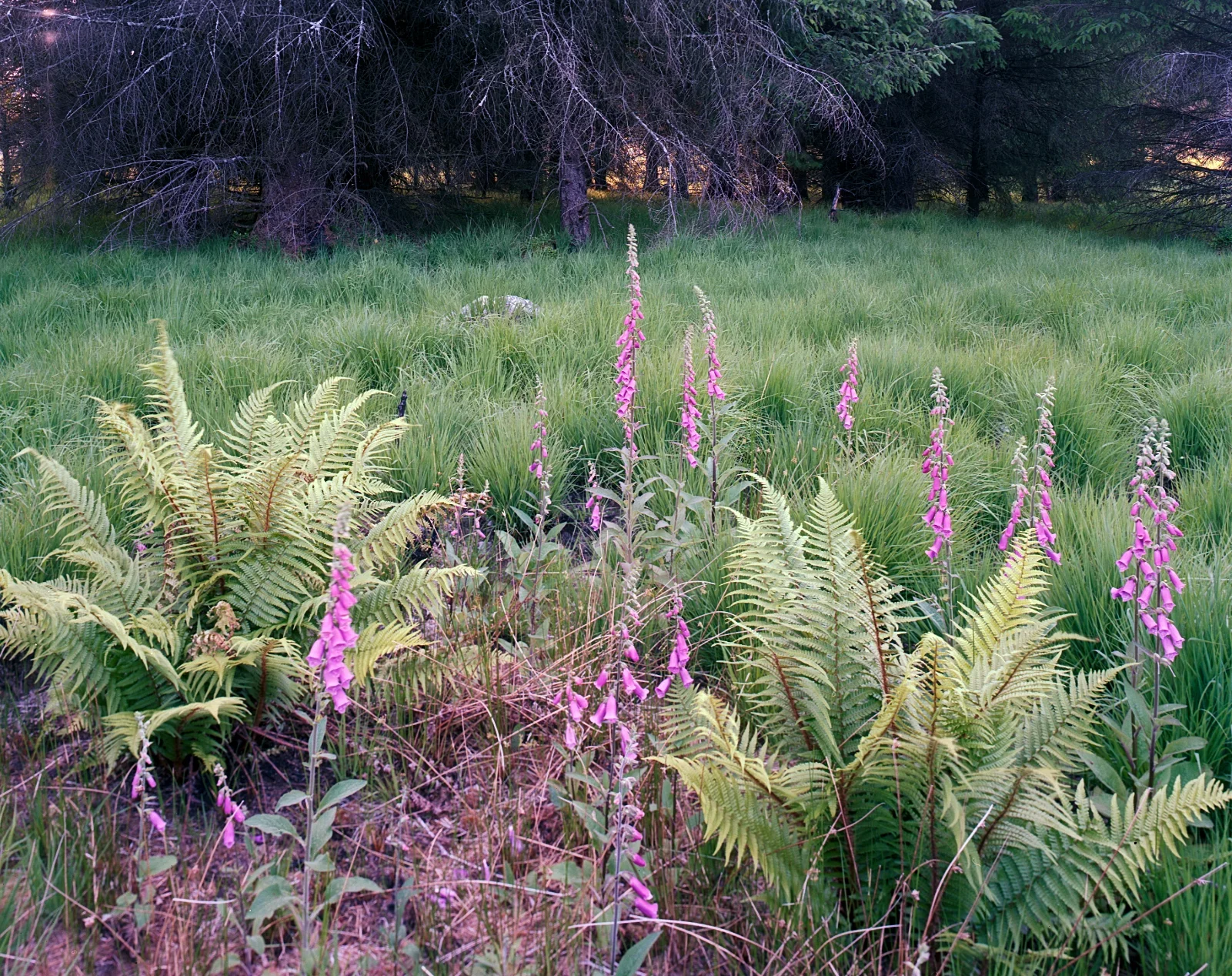
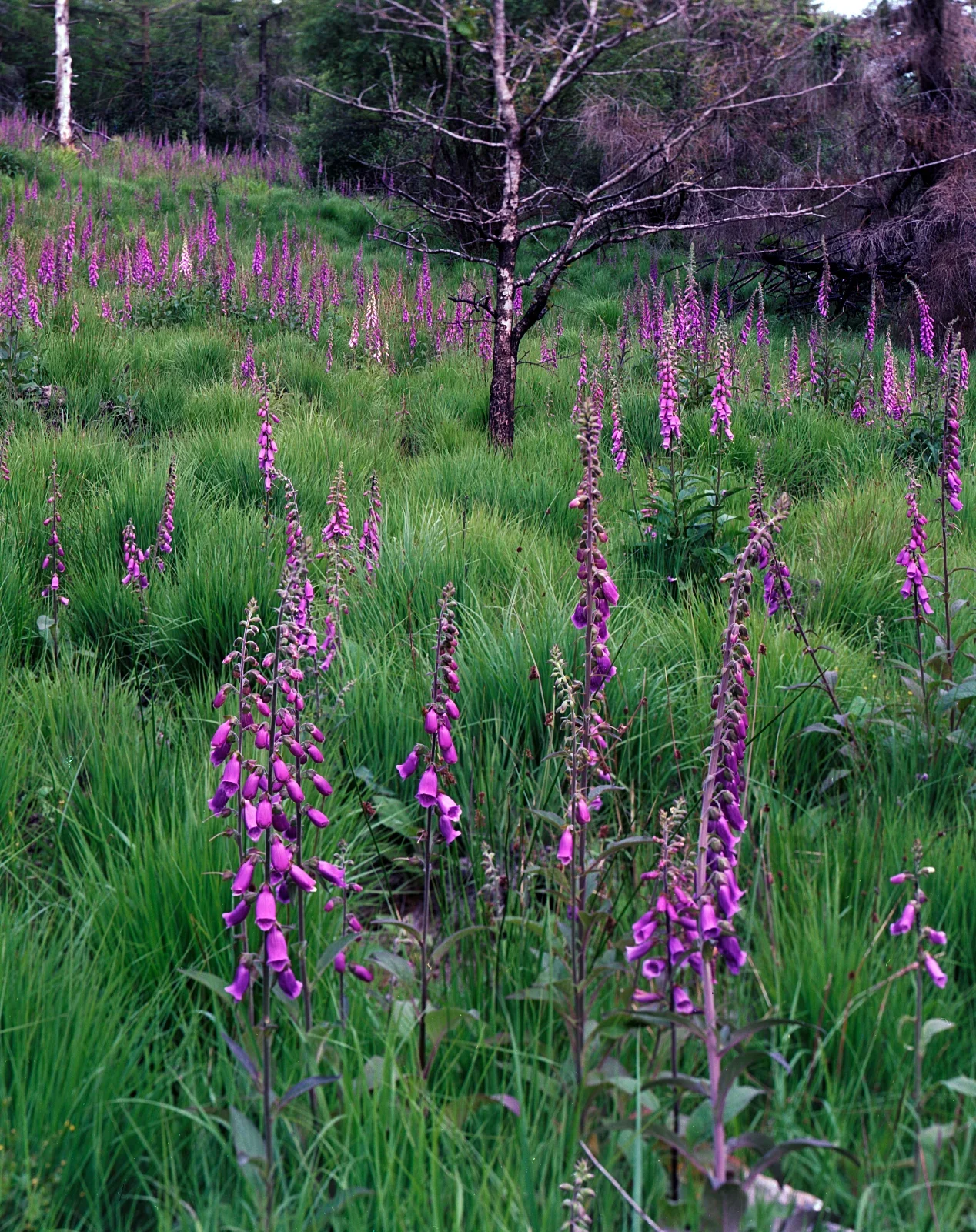
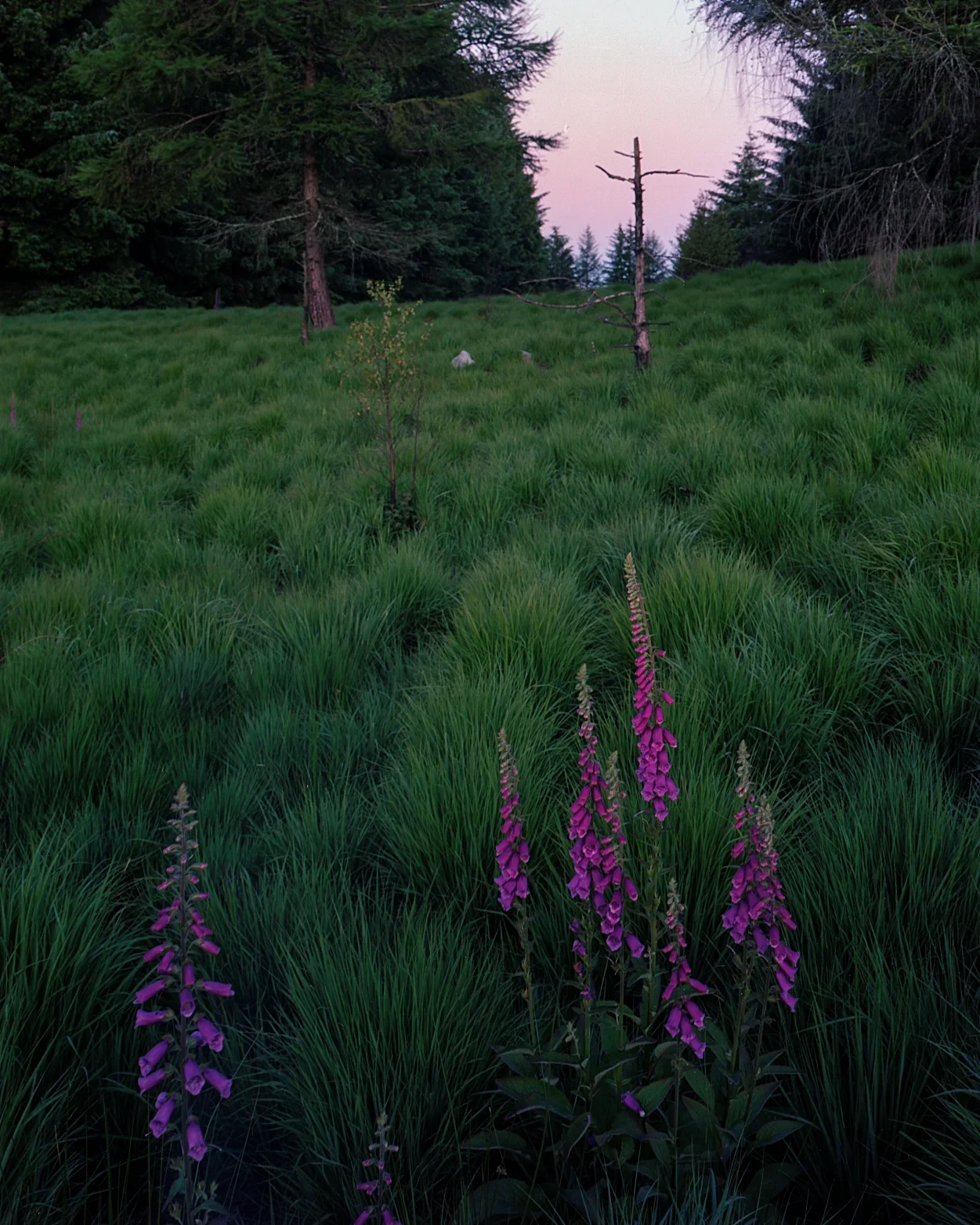
In the weeks following the fire, the first signs of recovery began to appear. Grasses returned in vibrant shades of green, while foxgloves emerged as soft green rosettes before developing into their familiar tall stems crowned with pink and purple blooms. Gradually, the landscape shifted from scorched blacks and browns to a renewed palette of greens and purples. What had initially appeared lifeless began to reveal the resilience of the natural world.
Yet this regeneration should not be mistaken for an uncomplicated return to health. The ecological consequences of fire can be severe, and recovery depends on the condition of the land, the nature of the burn and the pressures that follow. Excessive grazing, repeated disturbance and inappropriate land management can all prevent young vegetation from establishing itself and limit the development of a more diverse habitat. Where natural regeneration is allowed to take place, however, returning vegetation can help stabilise the soil and contribute to the gradual recovery of the ecosystem.
For me, as a landscape photographer, this process offered an opportunity to look beyond the immediate drama of destruction and consider the wider relationship between land management, environmental damage and natural resilience. The work became a study of time, observing how quickly a landscape can change, but also how vulnerable that recovery can be.
Within a fifteen-minute drive of home, I was able to witness and photograph these changes on a weekly basis over a three-month period. This close observation allowed me to document the landscape as it moved from devastation towards renewal, recording a process that might otherwise have gone unnoticed.
Born of Fire is not simply a record of a landscape recovering from fire. It raises questions about how we manage the land, the ecological consequences of our interventions and the space we allow nature to recover on its own terms. In the contrast between destruction and new growth lies a reminder that landscapes are not static, and that their future depends not only on nature's resilience, but also on the decisions we make about how they are used and protected.
I’d love to hear from you.
Whether you have a question, want to check availability or have something in mind, feel free to get in touch.